Biochemistry
Created by Angelo Carrera
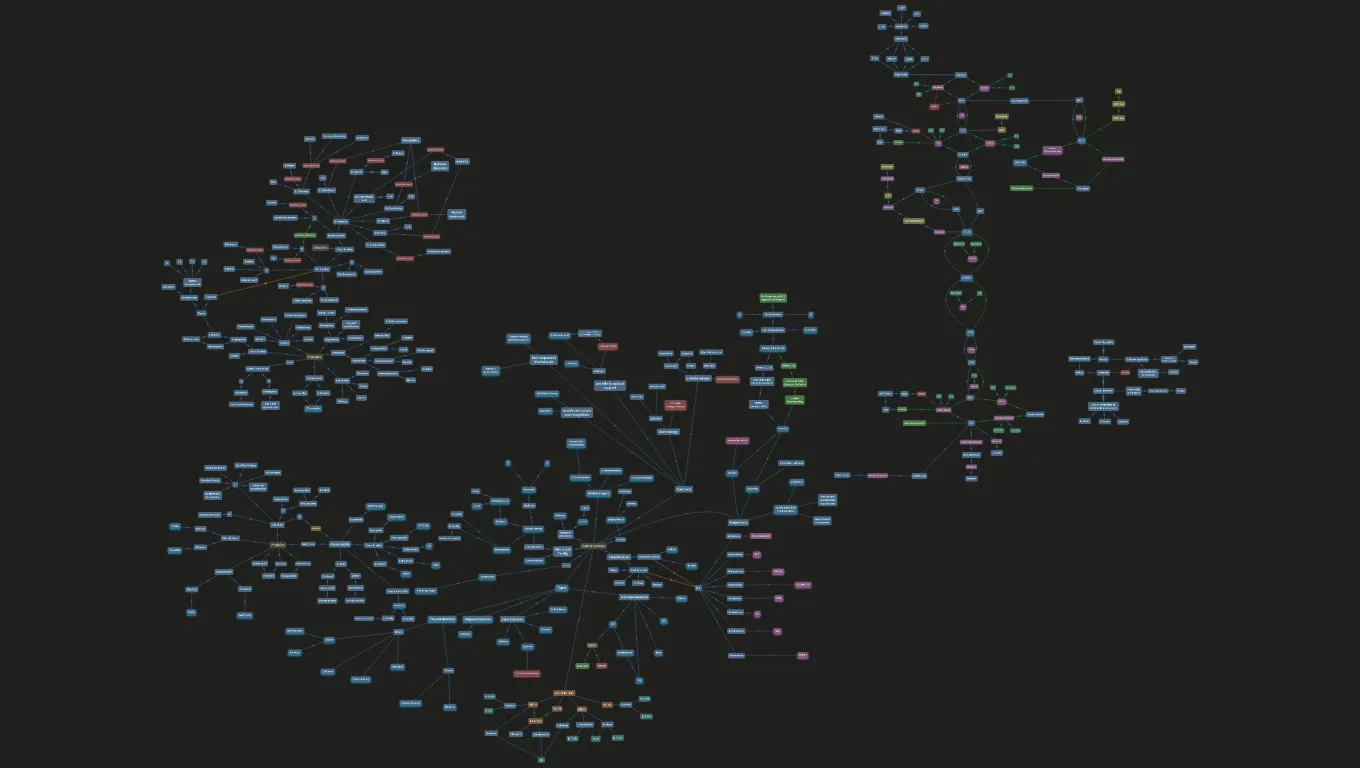
2 NADH
2 ATP
2 H+
2 Pyr
products
2 H2O
reactants
1 Glu
2 NAD+
2 ADP
2 P_i
Glycolysis
Glucose
P_i
ATP
ADP
hexokinase
G6Ptase
Glucose-6-Phosphatase
H2O
Gal
inhibits
feedback inhibition
G6P
Glycogenesis
G6P
UDP-Gal
Citrate
PGI
Phospho-gluco-isomerase
Mannose
PGM
Phopsho-gluco-mutase
UDP-Glu
Severe exhaustion
ATP Conc.
Paralysis
high
inhibits
ADP
ATP
F6P
M6P
Nausea
Dermatitis
low
activates
PFK
Phospho-fructo-kinase
FBPtase
Fructose1,6-Bisphosphatase
P_i
G1P
Glucose 1-Phosphate
deficiency, causes
H2O
deficiency, causes
Pellagra
F1,6BP
UDP-Glu Pyrophosphorylase
G1P-Uridyltransferase
beriberi
deficiency, causes
deficiency, causes
Anemia
Glycogen phophorylase
B3 Niacin
NAD
Nervous disorders
Fructose
aldolase
UDP-Glu
Uridine diphosphate-Glucose
TPP
deficiency, causes
FAD
deficiency, causes
Fructokinase
DHAP+G3P
Glycogen synthase
B1 Thiamin
B2 Riboflavin
DHAP
Gluconeogenesis
Glycogen
Scurvy
deficiency, causes
B5 Pantothenic Acid
CoA
PLP
F1P
aldolase B
TPI
Triose-Phosphate-Isomerase
B6 Pyridoxine
G3P
Neurotransmitters
C
B Complex
B7 Biotin
deficiency, causes
Muscle weakness
G3P
THF
Glyceraldehyde
restores functionality of
Water Soluble
B9 Folate
deficiency, causes
Triokinase
2 G3P
everything below happens twice
Blindness
deficiency, causes
Tocopherols
E
Vitamins
Classification
B12 Cobalamin
NAD+ & P_i
NADH & H+
Pemicious anemia
Fe
Zn
Cu
Co
deficiency, causes
Retinol
Retinal
rbc
K
deficiency, causes
G3P-dH
Glyceraldehyde 3-Phosphate Dehydrogenase
A
Fat Soluble
Phylloquinone
Menaquinone
Activator
Tightly-bound metal
Retinoic Acid
deficiency, causes
1,3BPG
1,3-Bisphosphateglycerate
Rickets
D
Essential ion
Cofactor
Mg2+ & ADP
ATP
Cholecalcefirol
Ergocalciferol
for furanose, add C1 opposite of Anomer
Types
Feedback control
PGK
Phopho-glycero-kinase
Isomerases
Oxidoreductases
Allosteric site
α
anomer -OH opposite side of C6
check Anomer
β
anomer -OH same side of C6
Transferases
Hydrolases
Allosterism
Covalent modification
Suicide substrate
Cofactor
L-config
Downward C6
check Enantiomer
Holoenzyme
Conjugated
Ligases
Lyases
Regulation
Isoenzymes
Irreversible
hyaluronic acid
support cartilage and connective tissue
use therapeutically to improve joint lubrication
D-Config
Upward C6
Classes
X graph
Genetic testing and Molecular Dx
- DNA & RNA is needed to identify inherited diseases, infections, and genetic mutations
3PG
3-Phosphoglycerate
Apoenzyme
Competitive
follow LURD for OH
LURD = Left Up - Right Down
Carbs Digestion
Classification
Inhibition
osteoarthritis
loss of cartilage components
glycogen
Simple
lowers
Enzymes
Cuvik
Parallel graph
store for later use
PGAM
Phospho-glycero-mutase
Reversible
Uncompetitive
Udvdk
form important biomolecule
immediate
digested
food masticated
Mouth
Salivary Amylase
hydrolyze α-glycosidic bonds
Gibbs Free Energy
Absolute
V graph
ribose & deoxyribose
monosacc that form the sugar backbone of RNA and DNA
cellulose
provide rigidity in plants
polysacc
monosacc
disacc
polysacc
check C2, 3,4
check C3,4
2PG
starch
<0
>0
Components
Specificity
Noncompetitive
Ndvuk
provide energy
diabetus mellitus
failure to properly regulate blood glucose
put C2 at right then go clockwise
H2O
bolus
Stomach
disables
react with HCl, in stomach
Chyme
put C1 at right then go clockwise
Exergonic
Endergonic
provide structural support
Active Site
Substrate
Group
ABO Blood Group
blood type is determined what carb struct is on the surface of rbc
muscle cells
GTP
Stereo
liver cells
ATP Conc.
high
enolase
inhibits
GDP & CO2
ADP
ATP
PEP
Small Intestine
Pancreatic α-amylase
break down polysacc
disacc
rxn is spontaneous
rxn is not spontaneous
ES-complex
Enzyme-Substrate
Linkage
create pyranose ring
create furanose ring
PEP-CK
Phospho-enol-phosphate-carboxy-kinase
oligosacc
attached to cell surface help cell recognize and comm with one another
glycogen storage disease
enzyme deficiency
enable cell comms and recognition
low
activates
Pyruvatekinase
Outer Membrane of intestinal mucosal cells
glycogen
Oxaloacetate
conversion
Gluconeogenesis
Pyr
Pyruvatecarboxylase
Lactase
Sucrase
Maltase
store energy
ATP & CO2
P_i & ADP
N-acetyl-D-Glucosamine
D-Glucosamine but NH_2 is
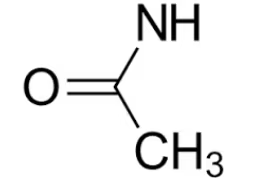
memorize struct
- glyceral
- dha
- glucose - OHOO
- galactose - C4 glc
- mannose - C2 glc
- fructose - HOO
- ribose - OOO
pyruvate decarboxylase
lactate dH
Acetaldehyde
Lactate
Hydrogen bonds
Disulfide Bridges
α
opposite direction for anomer -OH and Enantiomer(CH2OH)
β
same direction for anomer -OH and Enantiomer(CH2OH)
C5 attacks carbonyl
Salt bridges
D-Mannosamine
C2 Epimer of D-Glucosamine
alcohol dH
Covalent Bonds
Acetyl CoA
3°
D-Glucosamine
NH_2 instead of -OH in C2
D-Galactosamine
C4 Epimer of D-Glucosamine
Fischer

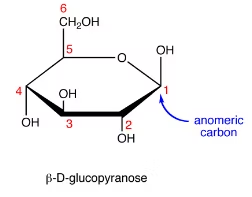
β Anomer
most abundant because equatorial conformation is more stable
Citric Cycle
pyruvate dH complex
Ethanol
Metal ion coordination
Hydrophobic interaction
Anti-parallel
Parallel
D-Glc
Anomers
differs at Anomeric Carbon
C1 at aldose
C2 at ketose
alpha-helix
Amino Sugars
contains NH_2 instead of -OH
aldehyde
functions
Haworth
2°
beta-pleated
PVT TIM HaLL
- Phenyalanine
- Valine
- Tyrosine
- Threonine
- Isoleucine
- Methionine
- Histidine
- Arginine*
- Leucine
- Lysine
D-Gal
C4 of D-Glc
Relation = C-#
D-Gal and D-Glc are different at carbon-4 in their structure
cis/trans
ketone
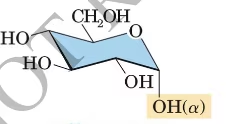
most stable conformation of pyranoses
multiple proteins
4°
L-Config
C,H,O
1°
Strain-free Chair Conformation
Fi=cks
- Collagen
- Keratin
- Silk Fibroin
Structure
Essentials
GAVLIP MWF
- Glycine
- Alanine
- Valine
- Leucine
- Isoleucine
- Proline
- Methionine
- Tryptophan
- Phenylalanine
formula
 or

polyhydroxyl
meaning multiple -OH
Fibrous
concerns
CYST QN
- Cysteine
- Tyrosine
- Serine
- Threonine
- Glutamine
- Asparagine
Epimers
- only 1 different chiral Carbon
learn how to tell anomer
Diastereomers
- nonsuperimposable non-mirror images
contains
most of the time
Non-polar
D-Config
Projections
Classification
naturally occuring carbs
hydrates of Carbons
Aldotriose
Glyceraldehyde
Globular
Proteins
building block
Amino Acids
Polar Neutral
Classification
Polar Acidic
DE
- Aspartic Acid
- Glutamic Acid
Stereoisomers
should be
Glo=MAA
Enantiomer
- nonsuperimposable mirror images
- conventional, look at 2nd to the last C or last chiral carbon
Structural Config
Carbohydrates
aldose
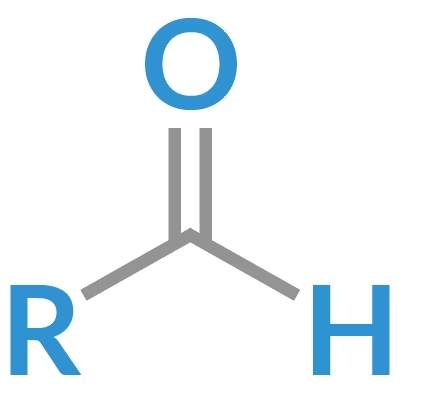
Aldotetrose
4ET
made up of
up to 50 AA
more than 50 AA
Groups
Aromatic
Polar Basic
Classification
carbonyl R-group
Denaturation
HKR
Constitutional
Different connections
contains
ketose
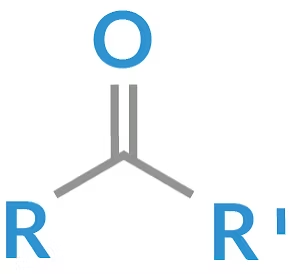
Peptides
Polypeptide
Carboxyl
Amine
HWYF
- Histidine
- Tryptophan
- Tyrosine
- Phenylalanine
Hemiacetal
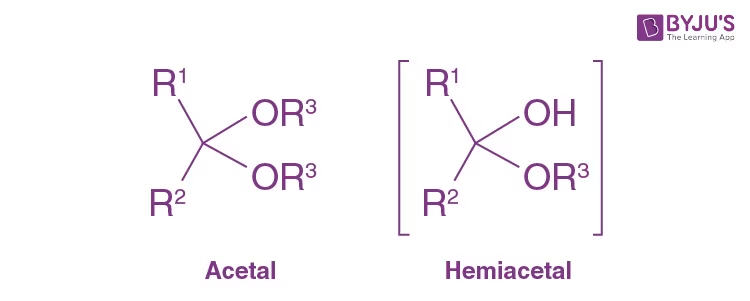
1 R in aldehyde is H
Triose
Carbon count
Aldopentose
5RiLAX
- ribose
- lyxose
- arabinose
- xylose
Physical
Chemical
acts as acid
acts as base
Types
listed below is biologically relevant sugars
Tetrose
Pentose
Structural Config
Reducing Sugar
reacts in tollen's and benedict's soln.
Hexose
Mix
Aldohexose
6AI MAT 3G
- allose
- idose
- mannose
- altrose
- talose
- gulose
- glucose
- galactose
donate proton
accepts proton
Monosaccharides
Enantiomer
conventional, H on right/left of chiral C
Ribose
- part of complex molecules
- furanose
Ketotriose
DHA
Dihydroxyacetone
TUPA
- Temperature
- UV
- Pressure
- Agitation
BARD OSH
- Base
- Acid
- Reducing Agent
- Detergent
- Organic Solvent
- Salts
- Heavy Metals
Cellulobiose
cannot be digested by human
naturally occuring AA
L-Config
D-Config
Polysaccharides
- often called "glycans"
- not sweet
- limited water solubility
Oligosaccharides
- commonly found in onions, cabbages, broccoli, and whole wheat
- can distinguish blood type
Disaccharides
Ketotetrose
Fru
- aka levulose and fruit sugar
- sweetest tasting of all sugars
- high dietary due to sweetness
- furanose
4E
Amylopectin
Glc
- most abundant in nature
- aka grape sugar, blood sugar, dextrose
- normal blood glc conc. = 70-100 mg/dL
- pyranose
- cells use glc as primary source of energy
Homo
Solanine
- found in potato
- greening = high solanine
- makes it bitter at
high conc. - protects potato from
predators or insects
Sucrose
Table Sugar
Ketopentose
5RX
Starch
- energy storage in plants
- in potato and cereal grains
- iodine often used to test
presence of starch in soln
Maltose
- malt sugar
- can be easily
digested by
humans
Amylose
Lactose
major sugar found in milk
regulates
synthesized
in mammary glands for use in lactose
Man
- found in many fruits
- important in glycolysation of proteins in the body
- participate in immune defense
- pyranose
Ketohexose
6PFTS
- psicose
- fructose
- tagatose
- sorbose
Cellulose
- linear homopolysacc
- humans do not have
enzyme to break β (1-4) - humans cannot digest cellulose
Glycogen
- energy storage in
humans and animals - storage site for humans
= liver cells and muscle cells - more highly branched
than amylopectin
Hetero
insulin
Chitin (kai-tn)
- N-Acetyl D-Glucosamine
- linear polysacc
Lactose Intolerance
- inability to digest lactose
- caused by deficiency in
lactase enzyme in small intestine - undigested lactose is fermented by gut bacteria producing gas & acids
glucagon
Gal
- aka brain sugar because it's found in brain and nerve tissue
- used to differentiate blood
- pyranose
Hyaluronic Acid
- alternate N-acetyl- β -D-Glucosamine and D-glucuronate
- highly viscous
- lubricant of joints
- help tissue heals
- cushion of cartilage
α-D-Glc
Glycosidic Links
Maltose
α(1-4)
α-D-Glc
Heparin
- alternate D-Glucuronate-2-sulfate + N-sulfo-D-glucosamine-6-sulfate
- found in mast cells especially in
- blood anticoagulant/blood thinner
- acidic polysacc
D-Glc
α(1-6)
β(1-4)
α1 - β2
Sucrose
branched
β-D-Fru
Cellulose
Cellulobiose
Lactose
Amylose
Glycogen
Amylopectin
β-D-Glc
D-Glc
β-D-Gal
Glc
